
What is color tokens and why does MCP matter?
Color tokens are semantic labels for color values that abstract raw hex codes into human-readable, reusable names like surface.background.primary or brand.accent.blue.600. Instead of scattering #3B82F6 across 47 files, you define it once as a token and reference it everywhere. When your rebrand changes blue, you update one token, not 47 files. This is the foundation of scalable design systems.
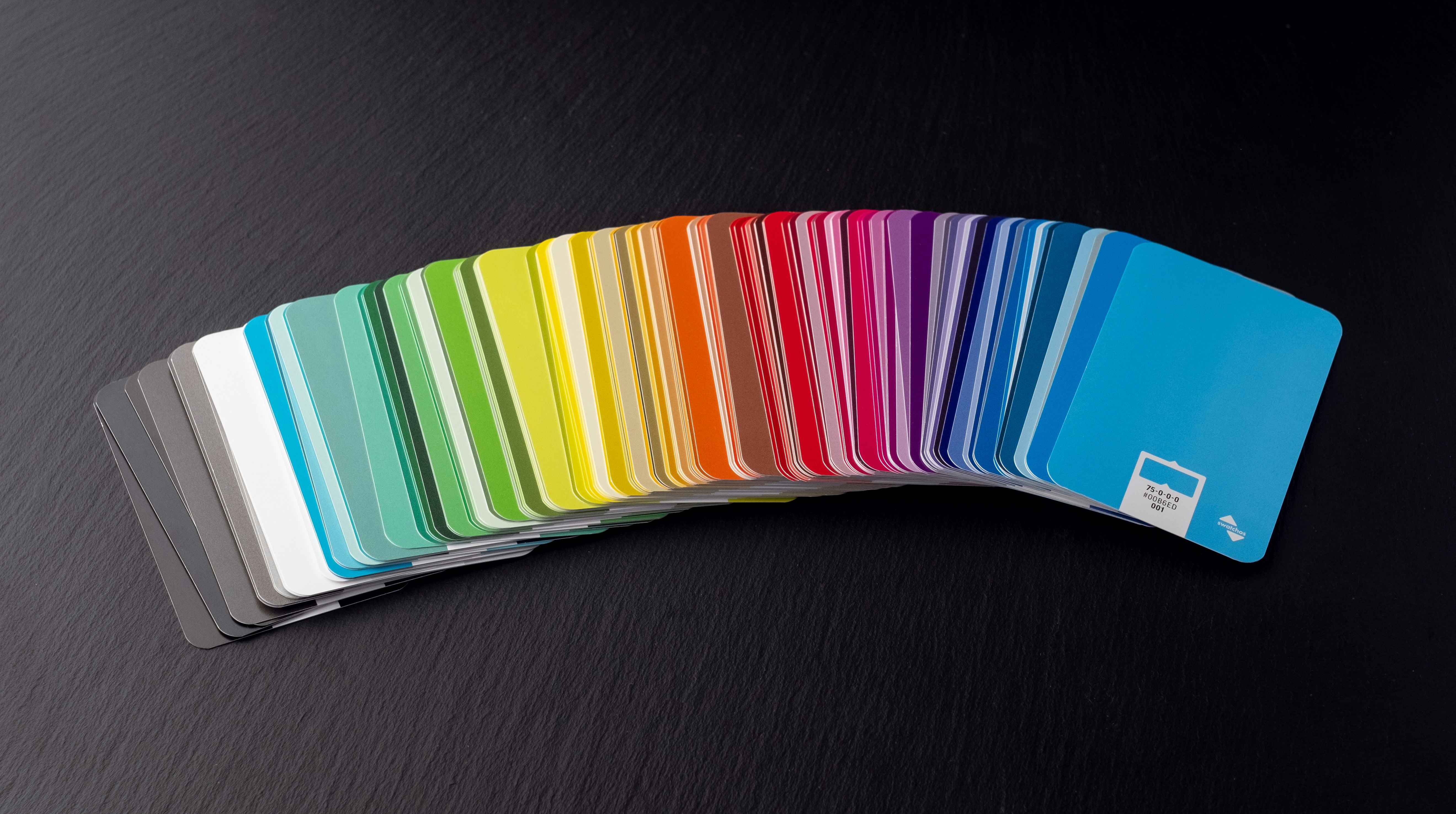
Color MCP (Model Context Protocol) takes this further by exposing your color tokens to AI agents. An MCP server can serve your entire palette as structured data, so an AI can answer questions like "What's our accessible text color on a warning background?" or generate theme variants that respect your constraints. For designers and developers building with AI-assisted workflows, color MCP transforms static tokens into queryable, automatable knowledge.
How to color tokens: the production workflow
Building a color tokens system starts with defining your palette hierarchy. Most design tokens platforms follow a three-tier structure: base colors (your raw palette), semantic tokens (purpose-driven like text.primary), and component tokens (scoped like button.background.hover).
Here's what is color tokens best practices in 2025:
- Start with a base palette of 8 to 12 hues, each with 10 shades from 50 to 950
- Map semantic tokens to base colors using clear naming conventions (BEM or slash notation)
- Test all text-background combinations for WCAG AA compliance (4.5:1 minimum contrast ratio)
- Version your tokens in JSON or YAML so both designers and developers use the same source of truth
- Automate token export from design tools to code using Style Dictionary or similar transformers
The best color tokens tools bridge Figma variables and production CSS. Styls handles this by letting you build color palettes, styles, themes, and vibes in one toolkit so every design stays consistent from concept to deployment. Unlike standalone color tokens software that only exports JSON, a unified color tokens platform ensures your naming, accessibility checks, and theme variations stay synchronized.
Color tokens examples: themes and accessibility
A practical color tokens guide shows how tokens enable dark mode, high-contrast themes, and brand variants without duplicating CSS. For example, a surface.background token might resolve to #FFFFFF in light mode and #1A1A1A in dark mode, controlled by a single theme switch.
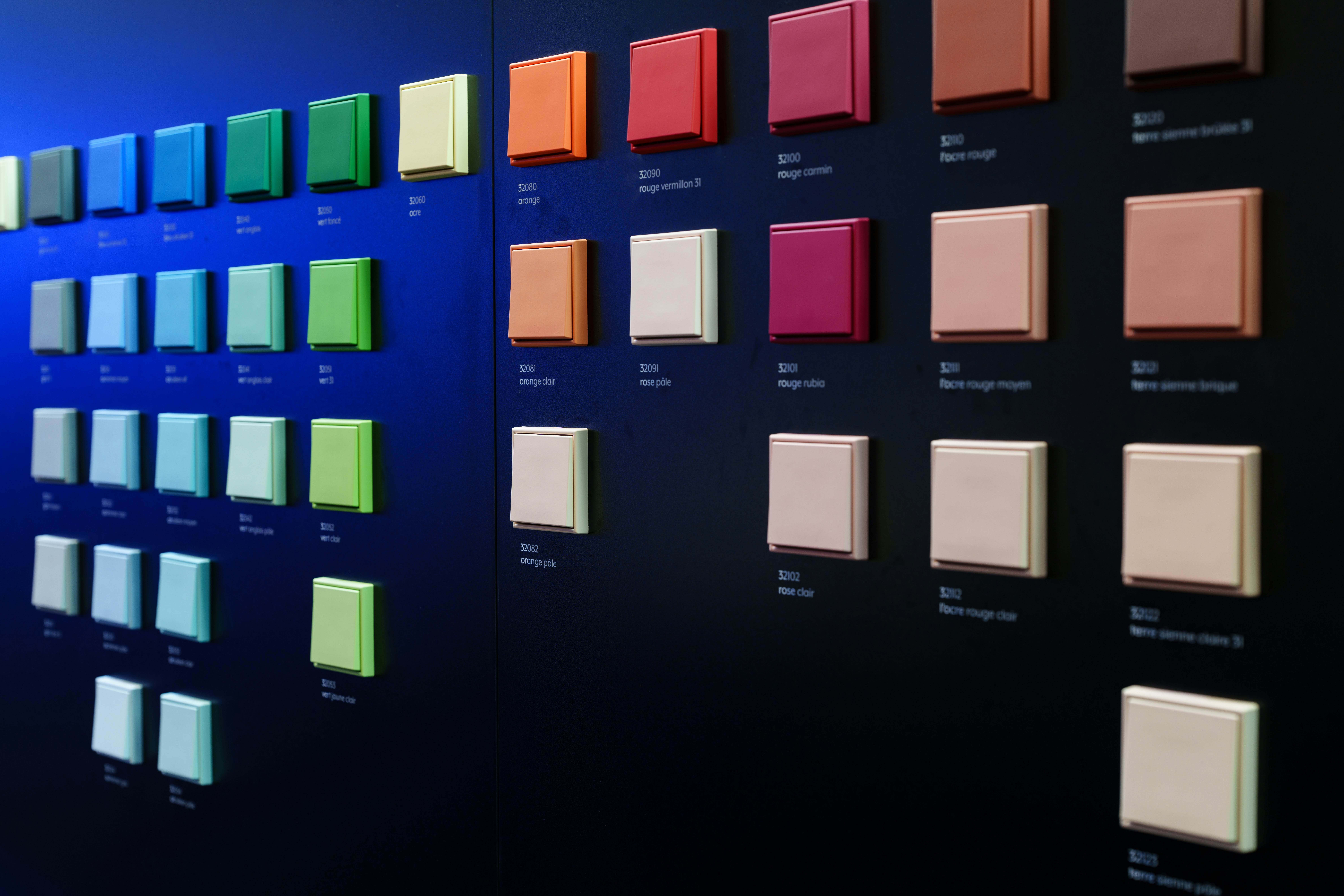
Top color tokens examples include:
- Stripe's design system: uses layered semantic tokens for 12+ product themes
- GitHub Primer: open source color tokens with automatic contrast checking
- Material Design 3: dynamic color that generates entire palettes from a single seed color
Free color tokens tools like Huetone and open source color tokens libraries like Radix Colors provide starting palettes with built-in accessibility. According to WebAIM's 2024 accessibility report, 83% of home pages still fail contrast requirements, making automated token-based color systems essential for compliance.
What is color MCP and how does it work with agents?
Color MCP platforms expose your tokens through a standardized protocol that AI agents can query. Instead of parsing design files manually, an agent calls an MCP endpoint and receives structured palette data: names, hex values, contrast ratios, and semantic mappings.
Best color MCP examples include agents that:
- Generate accessible color pairings on demand
- Audit existing UIs for token misuse
- Propose theme variants that maintain brand consistency
- Translate design tokens into platform-specific formats (CSS custom properties, Swift assets, Android XML)
A color MCP tutorial typically involves setting up an MCP server (often Python-based), indexing your token files, and connecting it to an AI model like Claude or GPT-4. The color MCP guide workflow is: tokenize your palette, serve it via MCP, let agents reason about it.
Color tokens vs older approaches: why tokens win
Color tokens alternatives include hard-coded hex values, Sass variables, and CSS preprocessor maps. The color tokens vs Sass debate hinges on portability: Sass variables live only in stylesheets, while design tokens are platform-agnostic JSON that compiles to CSS, iOS, Android, and even documentation.
How to color tokens software tools differ from simple color pickers:
- Color pickers: generate individual swatches
- Color tokens platform: manages relationships, accessibility, and cross-platform export
- Color tokens app: syncs tokens between design and code repositories in real time
Styls fits the middle category, offering a toolkit for building cohesive palettes and themes rather than just picking colors. It's designed for teams that need consistent color systems across multiple products and platforms.
Bringing tokens into your workflow today
Start by auditing your current color usage. Extract every unique hex code, group them by purpose, and assign semantic names. Use a color tokens tutorial (many free color tokens guides exist on GitHub) to structure your JSON schema. Then choose a top color tokens platform that fits your stack: Styls for unified palette and theme management, Tokens Studio for Figma-first workflows, or Style Dictionary for build-time transformations.
For AI-assisted design, explore color MCP tools that integrate with your editor or design environment. As more open source color MCP libraries emerge, expect agents to handle routine tasks like contrast checking, token renaming, and theme generation autonomously.
Ready to build color systems that scale from design to production? Explore Styls to unify your palettes, themes, and vibes in one consistent toolkit.